Arcadia Plantation East
Lauren Fournier | September 3, 2026
Communities
Lauren Fournier | September 3, 2026
Communities
There are certain places in Georgetown County that are difficult to describe simply as real estate. They are landmarks, pieces of history, and parts of the landscape that have helped shape the identity of the Lowcountry for generations. Arcadia Plantation is one of those places.
With the State of South Carolina agreeing to purchase Arcadia Plantation East, an important piece of Georgetown County is entering a new chapter. The acquisition has implications that extend well beyond the boundaries of the property itself. It touches on history, conservation, land use, development, and the ongoing evolution of the Waccamaw Neck.
For those who have lived in Georgetown County for years, Arcadia may be a familiar name. For others who are discovering the area for the first time, particularly those considering a move to Pawleys Island, Georgetown, or the surrounding coastal communities, the story of Arcadia offers an interesting glimpse into what makes this part of South Carolina so distinctive.
As a real estate advisor working throughout Georgetown County, I spend a great deal of time talking with buyers and sellers about what makes this area different. The answer is rarely just the beach, the golf courses, the homes, or the weather. It is the combination of history, natural beauty, and the character of the land itself. Arcadia Plantation represents all three.
Arcadia Plantation is located approximately five miles east of Georgetown along U.S. Highway 17, within the area commonly known as the Waccamaw Neck. Today, that corridor connects Georgetown with Pawleys Island, Litchfield, and several of the coastal communities that have become synonymous with the Georgetown County lifestyle.
It is an area that can look deceptively familiar to someone passing through. U.S. 17 carries thousands of people through the Waccamaw Neck every day, yet much of the landscape surrounding the highway tells a story that predates the modern communities by centuries.
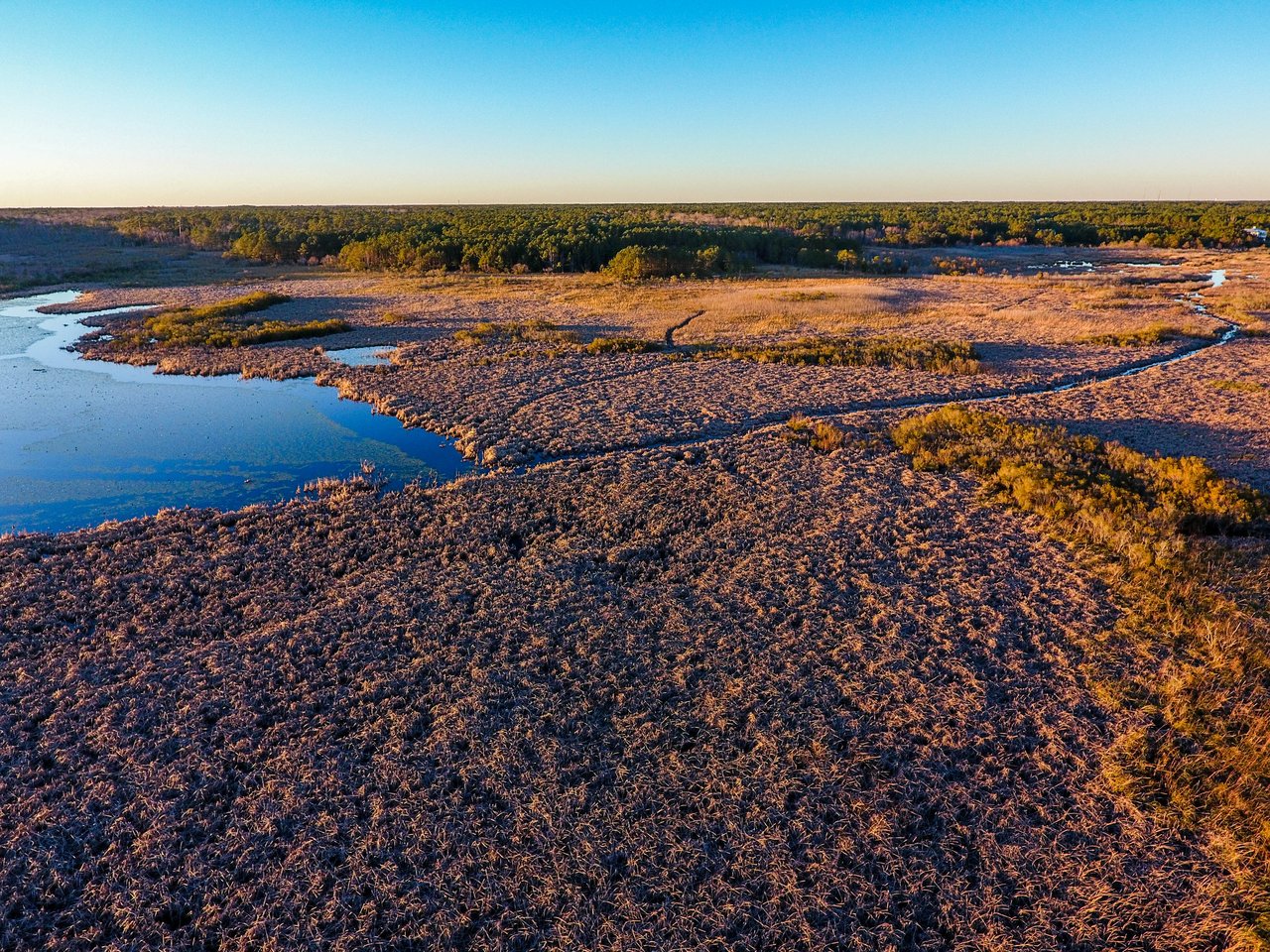
Behind the homes, businesses, golf courses, and roads are remnants of an older Lowcountry landscape—marshes, waterways, forests, former rice fields, historic structures, and large tracts of undeveloped land. Arcadia sits within that landscape, which is a large part of what makes the property so significant.
The historic Arcadia Plantation house is listed on the National Register of Historic Places and dates to approximately 1794. Its age alone makes it an important piece of Georgetown County history, but the significance of Arcadia becomes much clearer when you understand how the property and the surrounding landscape developed over time.
The history of Arcadia Plantation begins before it was even known by that name.
Originally called Prospect Hill, the property became part of the plantation system that developed throughout the South Carolina Lowcountry during the 18th and 19th centuries. Georgetown County was particularly well suited to rice cultivation because of its tidal rivers, wetlands, and low-lying coastal geography. Over time, the region became one of the most important rice-producing areas in the United States.
The plantation economy fundamentally changed the landscape. Thousands of acres of wetlands and lowlands were engineered for agriculture through the construction of canals, dikes, and water-control systems. These systems allowed planters to take advantage of the natural rise and fall of the tides to cultivate rice on an enormous scale. But the history of that landscape cannot be separated from the people who built it.
The wealth generated by Lowcountry rice was dependent upon the forced labor of enslaved Africans and their descendants. Their agricultural knowledge, labor, and engineering expertise were instrumental in transforming the rivers, marshes, and swamps of Georgetown County into productive rice fields. That history is an essential part of understanding Arcadia Plantation and Georgetown County as a whole. The beautiful landscapes that people admire today are, in many cases, landscapes that were profoundly shaped by generations of human labor under a system of slavery.
Over time, Prospect Hill evolved, changed ownership, and eventually became associated with the Arcadia name. During the early 20th century, Dr. Isaac E. Emerson acquired additional properties in the area and assembled a much larger estate. That history is important because Arcadia was never simply a historic house sitting on a piece of land. It became part of a much larger landscape made up of historic properties, forests, agricultural land, waterways, and other features that collectively tell the story of the Waccamaw Neck.
When people think about historic plantations in Georgetown, the natural tendency is to focus on the architecture—the house, the gardens, the outbuildings, and the stories of the families who lived there. At Arcadia, however, the landscape itself is an equally important part of the story.
Historic accounts describe gardens extending toward the Waccamaw River, along with stables, tenant houses, cemeteries, and other structures associated with the historic estate. The surrounding forests, wetlands, waterways, and former agricultural areas provide context for understanding how the property functioned and why it developed where it did. That context becomes increasingly valuable as Georgetown County continues to grow.
A historic house can be preserved as a structure, but preserving the landscape around it provides something different. It preserves the relationship between the architecture and the land, allowing future generations to better understand what these properties actually were and how they fit into the larger Lowcountry environment. That is one reason the State of South Carolina's purchase of Arcadia Plantation East is generating so much interest.
It is fascinating to consider how dramatically the Waccamaw Neck has changed while so much of its character remains recognizable.
Today, people come to this part of Georgetown County for an entirely different set of reasons. Pawleys Island is known for its beaches and relaxed coastal lifestyle. Litchfield and DeBordieu attract residents and second-home owners looking for golf, privacy, and proximity to the ocean. Georgetown's historic downtown and waterfront offer a very different experience, with a strong connection to the county's maritime and commercial history. Yet underneath all of this is the same geography that existed long before any of these communities were established.
The Waccamaw River is still here. The marshes are still here. The live oaks are still here. The former rice fields are still part of the landscape. And historic properties such as Arcadia continue to provide a connection between the Georgetown County of today and the Georgetown County of centuries past. That continuity is one of the things I find most compelling about this area.
As someone who works in Georgetown County real estate, I see firsthand that people are not simply buying houses here. They are buying into a particular sense of place. They want the beaches, the rivers, the golf, the restaurants, and the outdoor lifestyle, but they also appreciate the fact that Georgetown County still feels connected to its past. Arcadia is part of that connection.
The State of South Carolina's purchase of Arcadia Plantation East creates the possibility for a different future for this important piece of Georgetown County. Exactly what that future will look like will depend on how the property is ultimately managed and what plans are developed for preservation, conservation, public access, recreation, environmental protection, or historic interpretation. State ownership does not necessarily mean that every portion of the property will immediately become publicly accessible, nor does the acquisition answer every question about its long-term use. Those details will be important to watch.
What is significant today is the opportunity created by preserving a large piece of land in an area that continues to experience growth. Along the South Carolina coast, large, contiguous tracts of undeveloped property are increasingly difficult to find. Once land is divided and developed, the landscape that existed before development is difficult, if not impossible, to recreate. That makes decisions about properties like Arcadia important not only because of what they contain, but because of what they prevent from being lost.
The conversation is ultimately larger than Arcadia itself. It is about how Georgetown County can accommodate growth while maintaining the qualities that have made the area desirable in the first place.
Georgetown County is changing. That is not necessarily a bad thing. New residents bring energy and investment. Businesses grow. Communities gain new amenities. Property owners benefit from a healthy real estate market. The county continues to attract people who want to live near the coast while maintaining a lifestyle that feels less hurried than some of the larger destinations nearby. But growth inevitably raises questions about what should be preserved. The challenge for a place like Georgetown County is not whether development should happen. Development has been part of the county's story for generations, and responsible growth will continue to be important to its future.
The more difficult question is what should remain when that growth occurs? Historic structures matter. Natural habitats matter. Rivers and wetlands matter. Open land matters. The cultural landscapes that tell the story of the Lowcountry matter. And increasingly, those things are part of what makes the surrounding real estate valuable.
Someone searching for a home in Pawleys Island or Georgetown may initially be looking for bedrooms, bathrooms, square footage, a pool, a golf course, or proximity to the beach. But once they spend time here, many begin to appreciate something less tangible—the fact that the area still has a distinct identity. That identity cannot be manufactured. It is the result of centuries of history and the landscape that remains.
From a real estate perspective, I think Arcadia is a useful example of why local knowledge matters when buying or selling property in Georgetown County. A map can show you where a property is located. Market statistics can tell you what homes are selling for. An online listing can show you photographs and amenities. But understanding a property within the context of the surrounding land, communities, development patterns, history, and future plans requires a much deeper understanding of the area.
For buyers, that context can help explain why two properties that appear similar online may offer very different long-term opportunities and lifestyles. For sellers, it can help identify the characteristics of a property or community that may not be immediately apparent to someone who is unfamiliar with the area. And for anyone considering investing in Georgetown County, understanding how the county is balancing development, conservation, infrastructure, and preservation is an important part of understanding the market itself. Arcadia Plantation East is one piece of that much larger puzzle.
Arcadia Plantation has already lived through several chapters of South Carolina history. It began as Prospect Hill. It became part of the Lowcountry rice economy. It evolved through generations of ownership and changing uses. The surrounding Waccamaw Neck transformed from a largely agricultural landscape into one of South Carolina's most sought-after coastal destinations. Now, with the State of South Carolina agreeing to purchase Arcadia Plantation East, another chapter is beginning. We do not yet know exactly what the future holds for the property. That is part of what makes this moment so interesting.
What we do know is that Arcadia represents something increasingly rare along the South Carolina coast: a place where history, landscape, and the future of the community intersect. For those of us who live and work in Georgetown County, that is worth paying attention to. The future of Georgetown County will undoubtedly include continued growth and change. But if we are thoughtful about how we approach that growth, there is an opportunity to preserve the elements that make this place different from anywhere else. Arcadia Plantation is a reminder that some of the most valuable parts of Georgetown County are not necessarily the newest. Sometimes, their value comes from how long they have been here.
If you are considering buying or selling real estate in Georgetown County, understanding the market is about more than looking at recent sales or available listings. It is about understanding the communities, the land, the history, and the lifestyle that make each part of the county unique.
I’m Lauren Fournier, a Real Estate Advisor with Peace Sotheby's International Realty, and I work with buyers and sellers throughout Georgetown County and the surrounding coastal South Carolina communities.
Whether you are considering a home in Pawleys Island, a golf community, a waterfront property, a second home, or a move to the Georgetown area, I would be happy to help you understand not only the property, but the community and market surrounding it.
If Georgetown County is on your radar, let's start a conversation about what you're looking for and where you want to be.
Stay up to date on the latest real estate trends.
Communities
A New Chapter for One of Georgetown County’s Historic Landscapes
My Listings
How Strategic Marketing and the Sotheby’s International Realty Network Helped Sell 204 Bamboo Loop, Unit 202
My Listings
Real Estate Market Updates
Real Estate Marketing
The Danger of Overpricing
The Buying Process
My Listings
Real Estate Marketing
How I Market Your Pawleys Island Home for a Premium Sale
Discovering your home, loving your future, through my passion.