Renting vs. Buying Luxury Real Estate on the Grand Strand
June 9, 2026
The Buying Process
June 9, 2026
The Buying Process
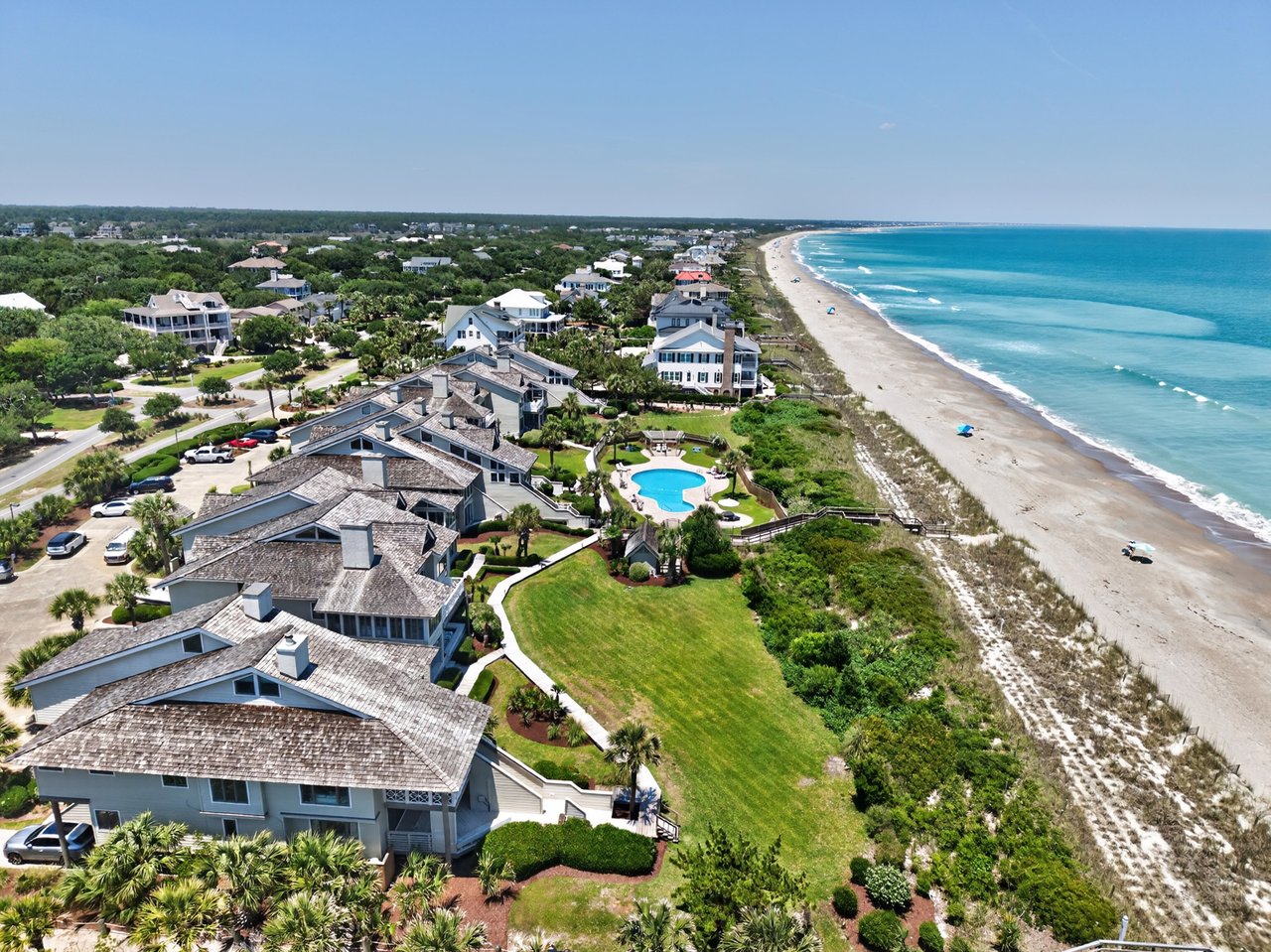
For those evaluating the luxury landscape of coastal South Carolina—whether you are eyeing a raised beach house in Pawleys Island, a historic estate in Georgetown, or a premier oceanfront condo in North Myrtle Beach—the decision to rent or buy is rarely just about a monthly payment. It is a calculated choice about asset allocation, lifestyle freedom, and market timing. Between evolving financial markets and the unique scarcity of premium coastal land across Horry and Georgetown counties, the financial trajectory of renting versus owning has shifted. This analysis breaks down the true cost of both paths, focusing on what it means to hold real estate on the Waccamaw Neck and beyond.
In a premier coastal market, renting is best viewed as a short-term, tactical bridge. It serves well if you are spending twelve to twenty-four months test-driving specific communities, waiting on a custom build, or prioritizing maximum liquidity for outside business ventures.
However, acquiring real property remains the definitive path for long-term wealth preservation along the Grand Strand. Buying is the superior vehicle if you intend to hold the asset for five or more years, want to insulate your capital from coastal rent inflation, and desire the unfettered freedom to enjoy the quintessential Lowcountry lifestyle on your own terms.
Navigating real estate across our coastline requires a hyper-local lens, as market dynamics vary dramatically from the state line down to the historic waterfront of Georgetown.
In Pawleys Island and the surrounding Waccamaw Neck, the market is defined by strict geographical boundaries, low density, and rigorous building caps. Because this pristine stretch of coast is heavily insulated from overdevelopment, premium long-term rentals are exceptionally rare and command massive premiums. Moving north into Myrtle Beach and North Myrtle Beach, the landscape transitions into high-density luxury high-rises and master-planned golf communities. Here, inventory is higher, but rental rates fluctuate wildly based on seasonal tourism demand. Further south, historic Georgetown offers a distinct mainland-coastal appeal, providing an exceptional alternative for buyers seeking sprawling acreage, historic architecture, and deep-water access along the Sampit and Waccamaw rivers.
When you look at the long-term financial mechanics of these markets, renting offers short-term convenience but carries a heavy lifestyle tax. Premium coastal living often involves boats, golf carts, and private modifications—assets and hobbies that are routinely restricted by traditional landlords or standard leasing agreements. Purchasing requires an initial capital deployment for down payments and closing costs, but it effectively freezes your baseline housing costs while allowing you to capture the upside of an incredibly resilient market.
The hidden variable that many prospective residents overlook when analyzing the Grand Strand rental market is the compounding pressure of seasonal tourism.
Because prime coastal properties can generate substantial weekly revenue during the peak summer seasons, the pool of high-end, long-term annual rentals is under constant pressure. Landlords frequently face the temptation to convert annual leases into lucrative short-term vacation portfolios. For long-term renters, this creates a dual vulnerability: the persistent threat of steep annual rent hikes or the sudden non-renewal of a lease when a landlord decides to monetize the vacation market.
By transitioning from tenant to owner, you permanently exit this cycle. You secure your place on the coast, locking in your carrying costs and ensuring that the compounding value of the Grand Strand works for your balance sheet, rather than your landlord’s.
When evaluating a property acquisition between North Myrtle Beach and Georgetown, five years is typically the mathematical threshold where buying decisively outperforms renting.
Coastal real estate involves highly specialized transaction elements, including comprehensive structural inspections and specific insurance portfolios tailored for wind, hail, and flood zones. To maximize your return on investment, you want to hold the property long enough for natural market appreciation and principal paydown to soundly absorb those transaction costs.
For a brief, transitional timeline of one to two years, renting a luxury condo or townhome provides excellent flexibility with minimal local exposure. However, for a five-year horizon or longer, ownership wins unequivocally. Geographically constrained enclaves—most notably the historic stretch of Pawleys Island—possess an inherent scarcity. Over time, that scarcity drives long-term value, transforming what would have been a sunk cost in rent into a powerful, appreciating legacy asset.
Whether your goals point toward a serene marsh-front retreat in Murrells Inlet or a vibrant oceanfront lifestyle in North Myrtle Beach, the decision requires a tailored approach that aligns with your broader financial portfolio.
Quantifying your personal break-even point involves looking beyond generic calculators and analyzing real-time MLS data, neighborhood absorption rates, and off-market opportunities. If you are ready to evaluate how the data maps against your specific real estate goals, contact me at Peace Sotheby’s International Realty in Pawleys Island to arrange a private, confidential market consultation.
Stay up to date on the latest real estate trends.

Communities
A New Chapter for One of Georgetown County’s Historic Landscapes
My Listings
How Strategic Marketing and the Sotheby’s International Realty Network Helped Sell 204 Bamboo Loop, Unit 202
My Listings
Real Estate Market Updates
Real Estate Marketing
The Danger of Overpricing
The Buying Process
My Listings
Real Estate Marketing
How I Market Your Pawleys Island Home for a Premium Sale
Discovering your home, loving your future, through my passion.