Why Isn't My Pawleys Island Home Selling?
June 17, 2026
Real Estate Marketing
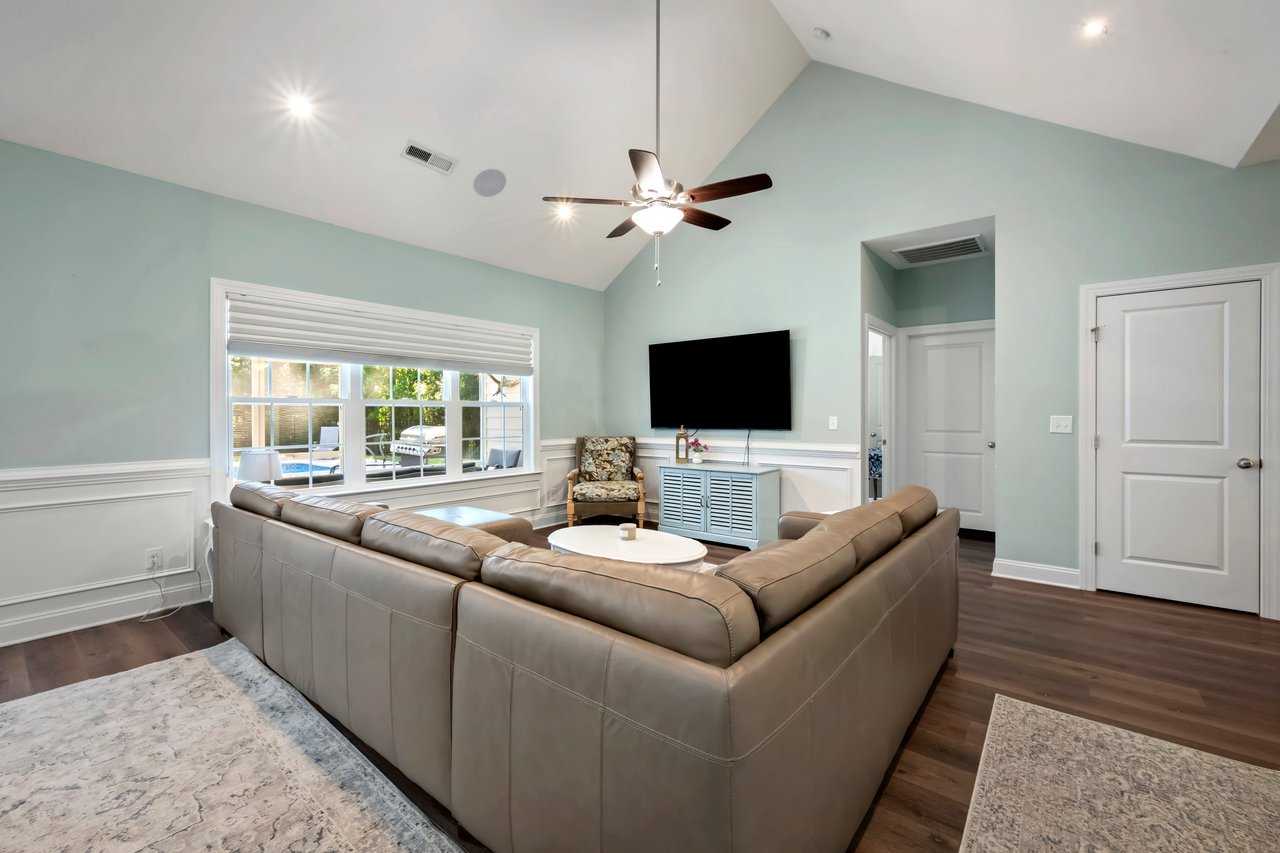
June 17, 2026
Real Estate Marketing
Pricing a home requires balancing ambition with reality. When you list your property for sale, you might have a specific number in mind based on your investments, your neighbors' past sales, or your personal financial goals. However, in today's Pawleys Island real estate market, buyers are savvy, data-driven, and highly selective.
The current landscape behaves like a balanced market where buyers have options. They aren't rushing into bidding wars blindly; instead, they are looking for fair value. If a property isn't priced correctly from day one, the market will communicate that quickly and clearly.
If your home is currently on the market and you are wondering if your expectations match reality, look for these key indicators that your listing may be overpriced.
The most immediate piece of feedback you will receive from the Pawleys Island real estate market is time. The timeline for a property to go under contract fluctuates slightly depending on your specific neighborhood—for example, homes in Hagley Estates or North Litchfield Beach tend to move at a different pace than properties in golf course communities like Pawleys Plantation.
However, every micro-market has an average threshold. If your home has been sitting active for weeks or months beyond the average timeline for your specific neighborhood without any serious traction, the price is likely the anchor holding it back.
In modern real estate, the first showing always happens online. If your digital marketing is strong, your listing should pull in plenty of views on major real estate portals and local brokerage sites.
The telltale sign of overpricing occurs when your listing agent reports massive online click-through rates, but your lockbox remains untouched. This disconnect means buyers love the aesthetic and photos of your home, but the price tag causes immediate sticker shock. They are filtering your home out before even stepping through the front door.
This scenario is often the most frustrating for sellers. You clean the house, leave for the afternoon, and accommodate back-to-back showings—yet your agent follows up with nothing but radio silence or polite rejections.
When buyers tour your home and pass on it, they are actively comparing your property to similarly priced homes in the area. If your home is listed at the top tier of your neighborhood's price range, but its finishes and square footage match the lower-priced homes down the street, buyers will view your property as a benchmark that makes the competition look like a bargain. Essentially, buyers are using your home to justify buying your neighbor's cheaper home.
Pay close attention to the showing feedback your agent collects from buyers and peers in the industry. It is completely normal for an individual buyer to say the backyard is too small or they dislike a specific layout choice.
However, a serious red flag emerges when multiple buyers repeat the exact same objection, such as the home needing a new roof, featuring outdated spaces, or backing up to a noisy road. Buyers are telling you that the home's flaws are not accounted for in the listing price. You cannot easily change your location or square footage, but you can adjust the price to compensate for those realities.
When you test the market with an inflated price, it usually backfires because real estate operates heavily on initial momentum. During the first two weeks, a listing is fresh, and eager buyers look at it immediately. If they notice an unjustified price, they decide to wait for a price drop. By week four and beyond, the initial buzz fades, the home drops lower in search results, and buyers begin to assume something is fundamentally wrong with the property because it hasn't sold.
When you are eventually forced to make a price cut, you have lost your initial leverage. Buyers may submit much lower offers because they perceive seller desperation. If you overprice hoping to leave "room for negotiation," you risk missing the crucial window when buyer excitement is highest.
If you recognize your property in these descriptions, a quick adjustment can completely revitalize your listing.
Start by reviewing recent comparables with your agent. Look closely at what has actually closed in your neighborhood over the last 60 to 90 days, rather than what your neighbors are simply asking for their active listings. From there, execute a meaningful price drop. Minor price cuts look weak and indecisive to buyers. Instead, work with an expert in Pawleys Island real estate to make a single, strategic adjustment that positions your home at the top of buyer search filters.
At the end of the day, a house is worth exactly what a buyer is willing to pay for it in the current market. By listening to the data and acting quickly, you can get your sale back on track.
Stay up to date on the latest real estate trends.
Local News
What Happened, What Was Planned & What It Means for Georgetown, SC
Real Estate Industry
A Clear Guide to Buyer Agency, Representation, and Your Rights as a South Carolina Homebuyer
Communities

Communities
A New Chapter for One of Georgetown County’s Historic Landscapes
My Listings
How Strategic Marketing and the Sotheby’s International Realty Network Helped Sell 204 Bamboo Loop, Unit 202
My Listings

Real Estate Market Updates
Real Estate Marketing
The Danger of Overpricing
The Buying Process
Discovering your home, loving your future, through my passion.